montessorikiwi
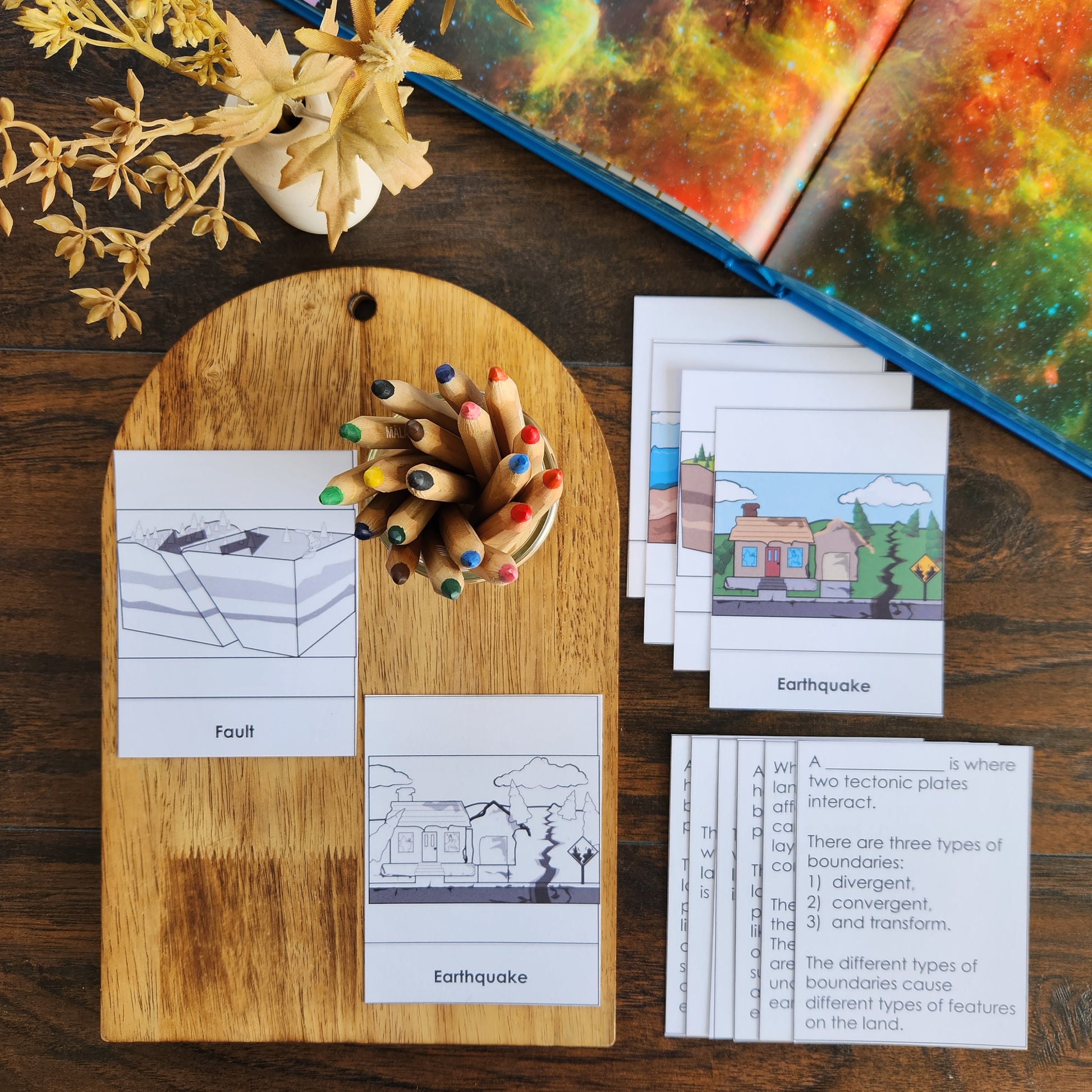
Earthquake Matching & Vocabulary Cards (geography) (science)
Earthquake Matching & Vocabulary Cards (geography) (science)
Couldn't load pickup availability

Earthquake Vocabulary & Matching Cards
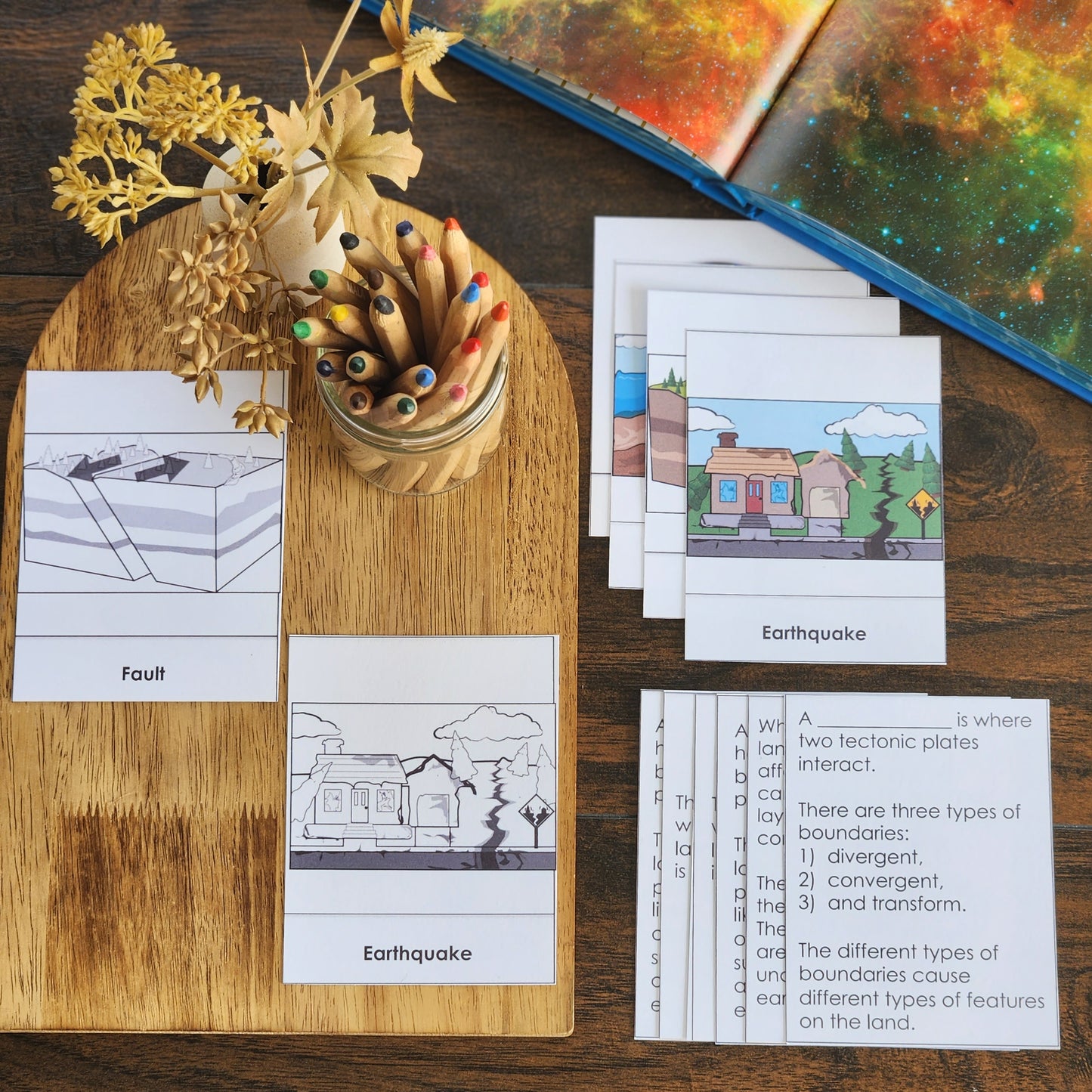
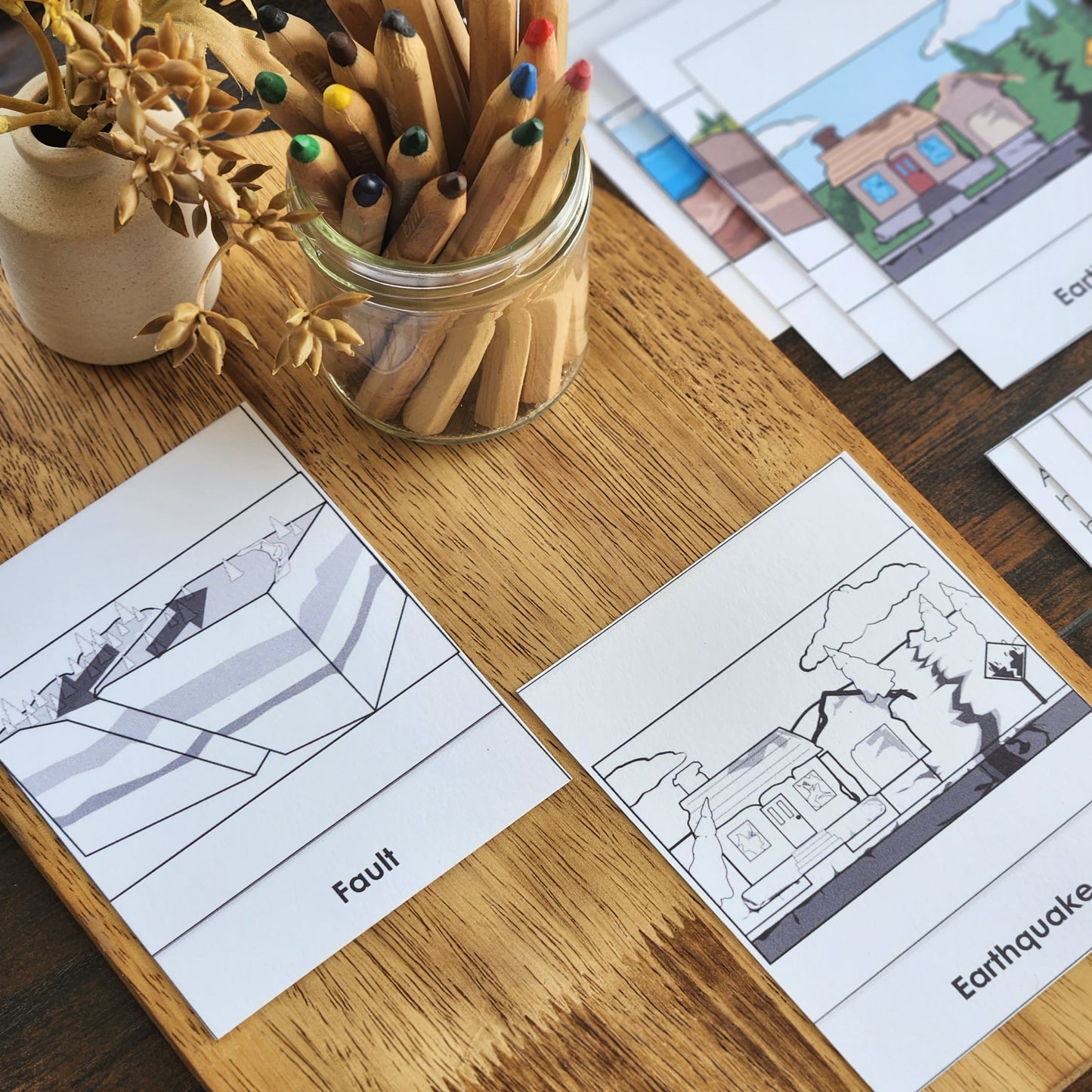
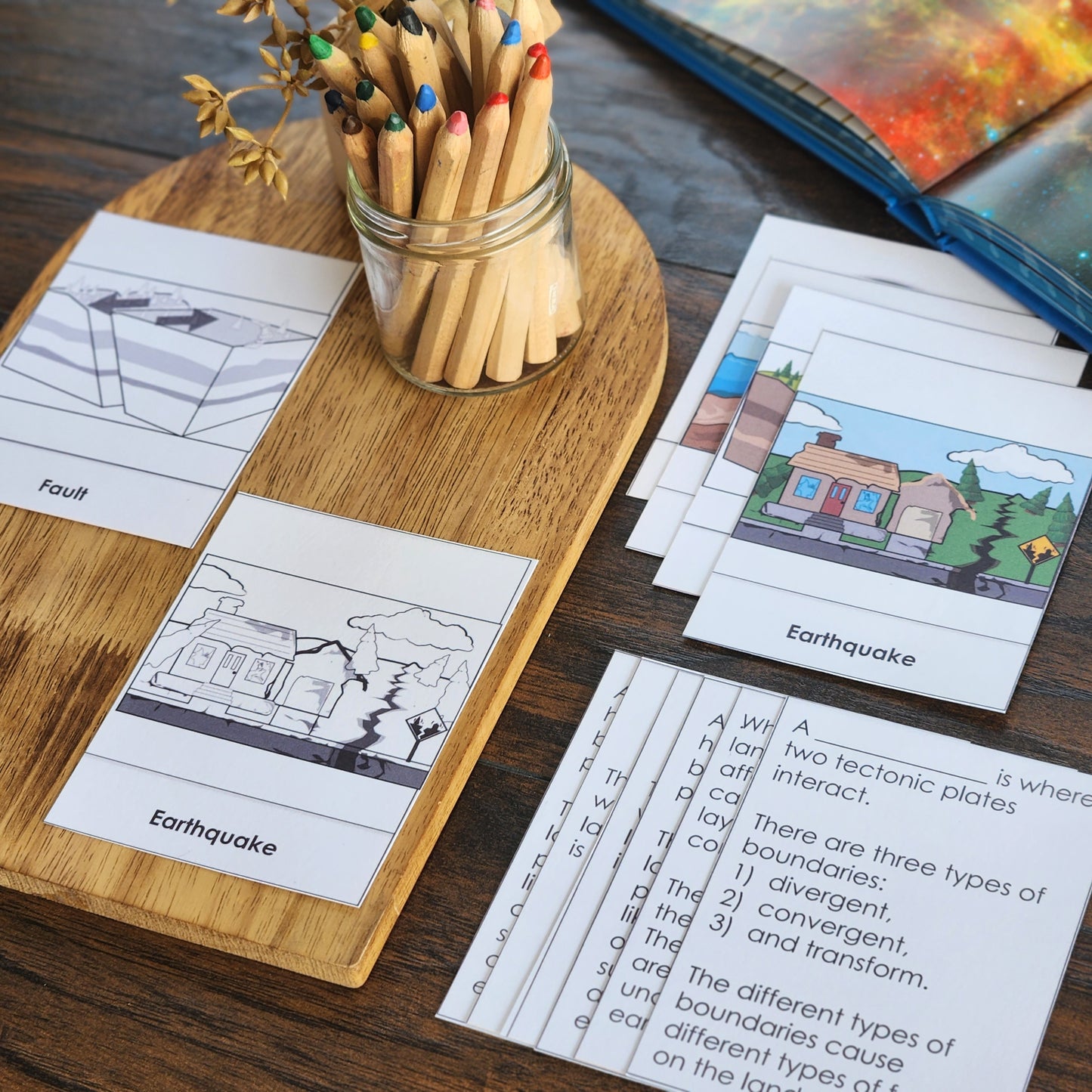
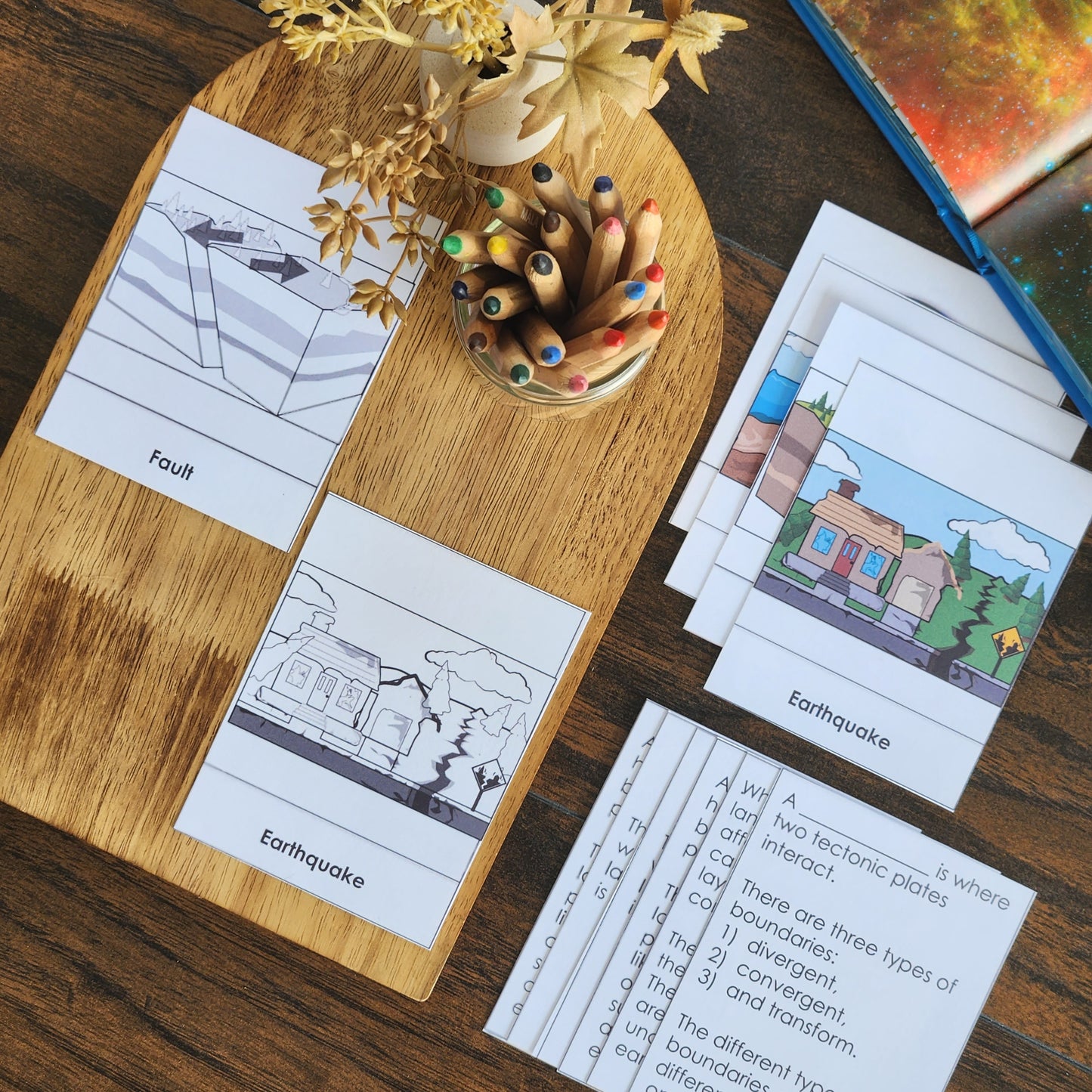
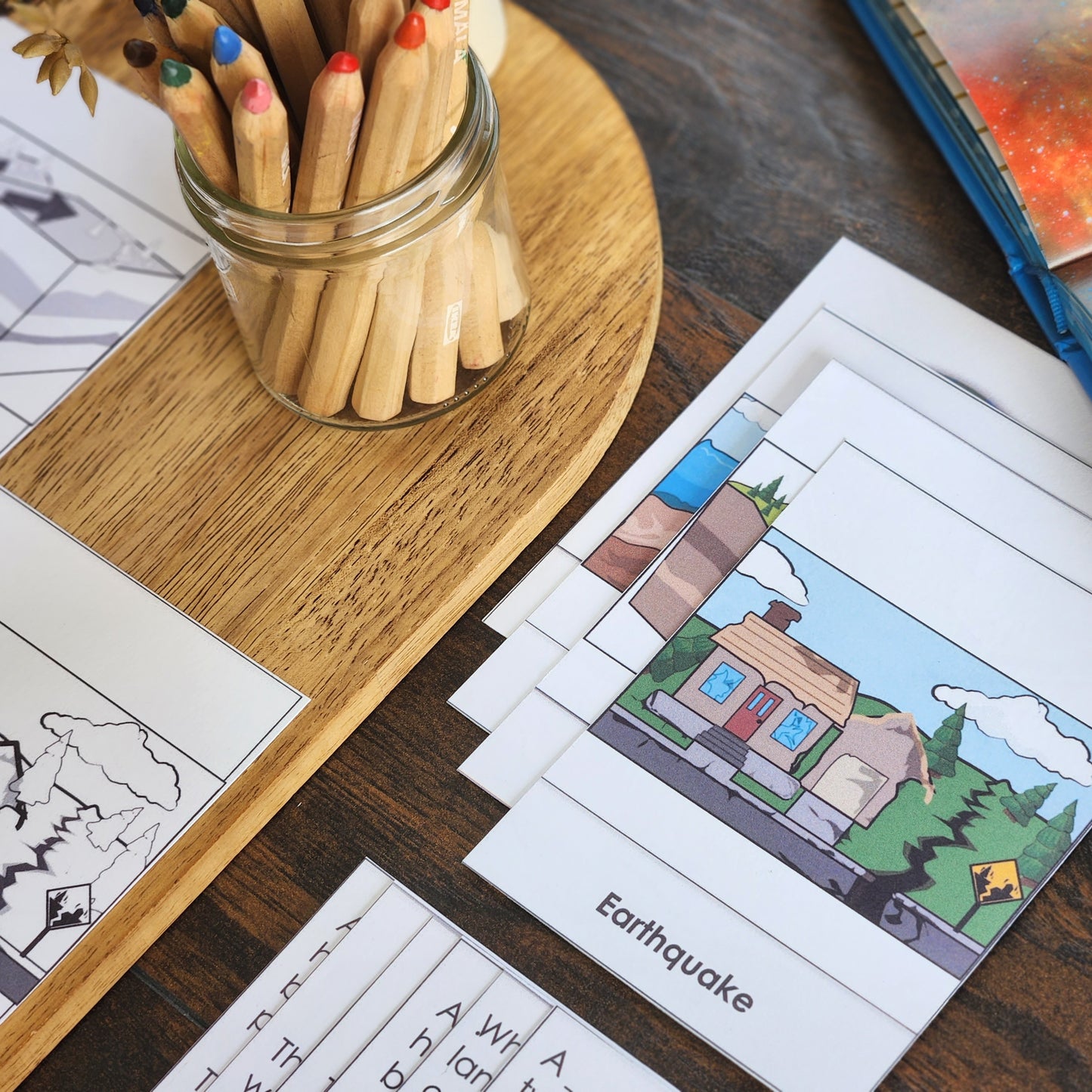
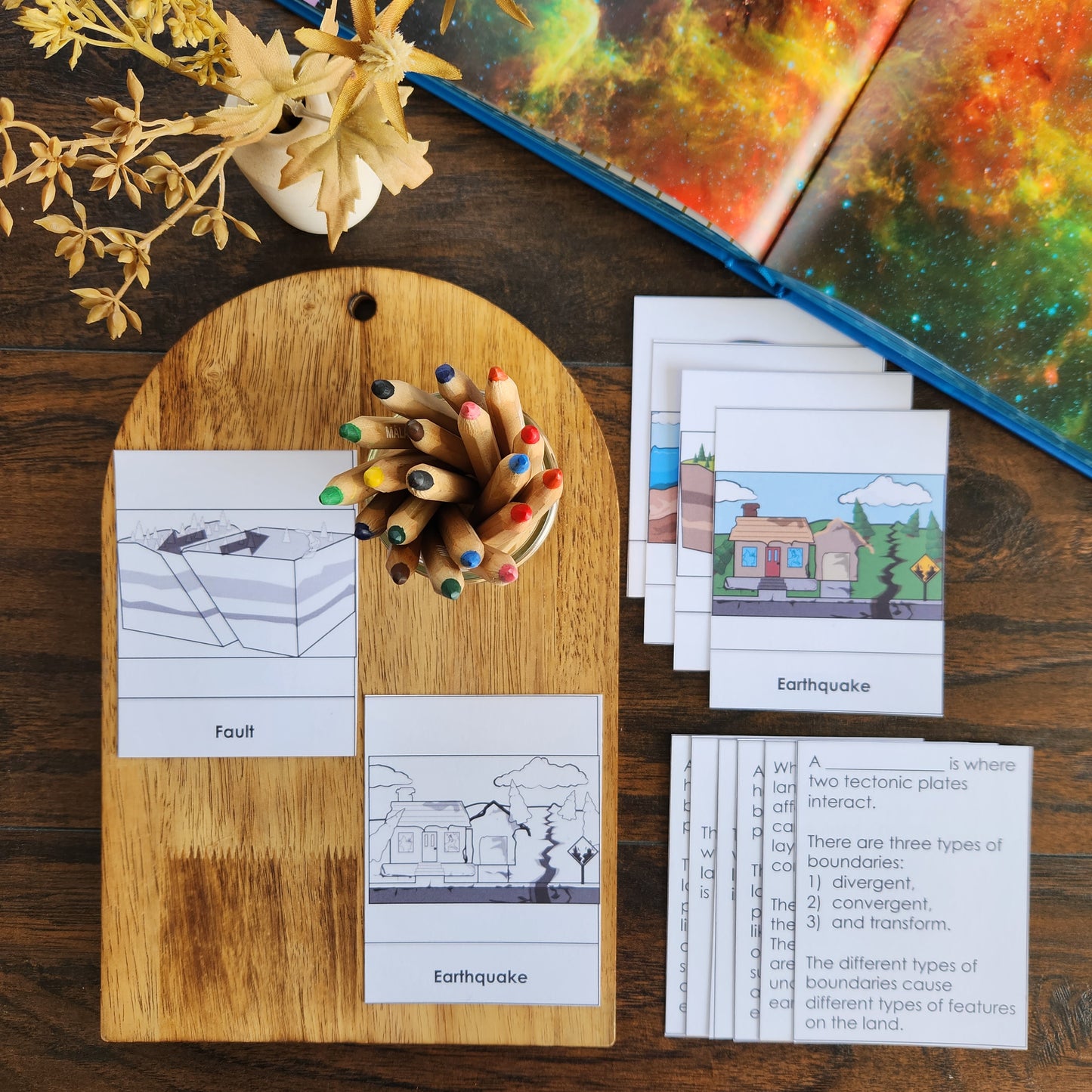
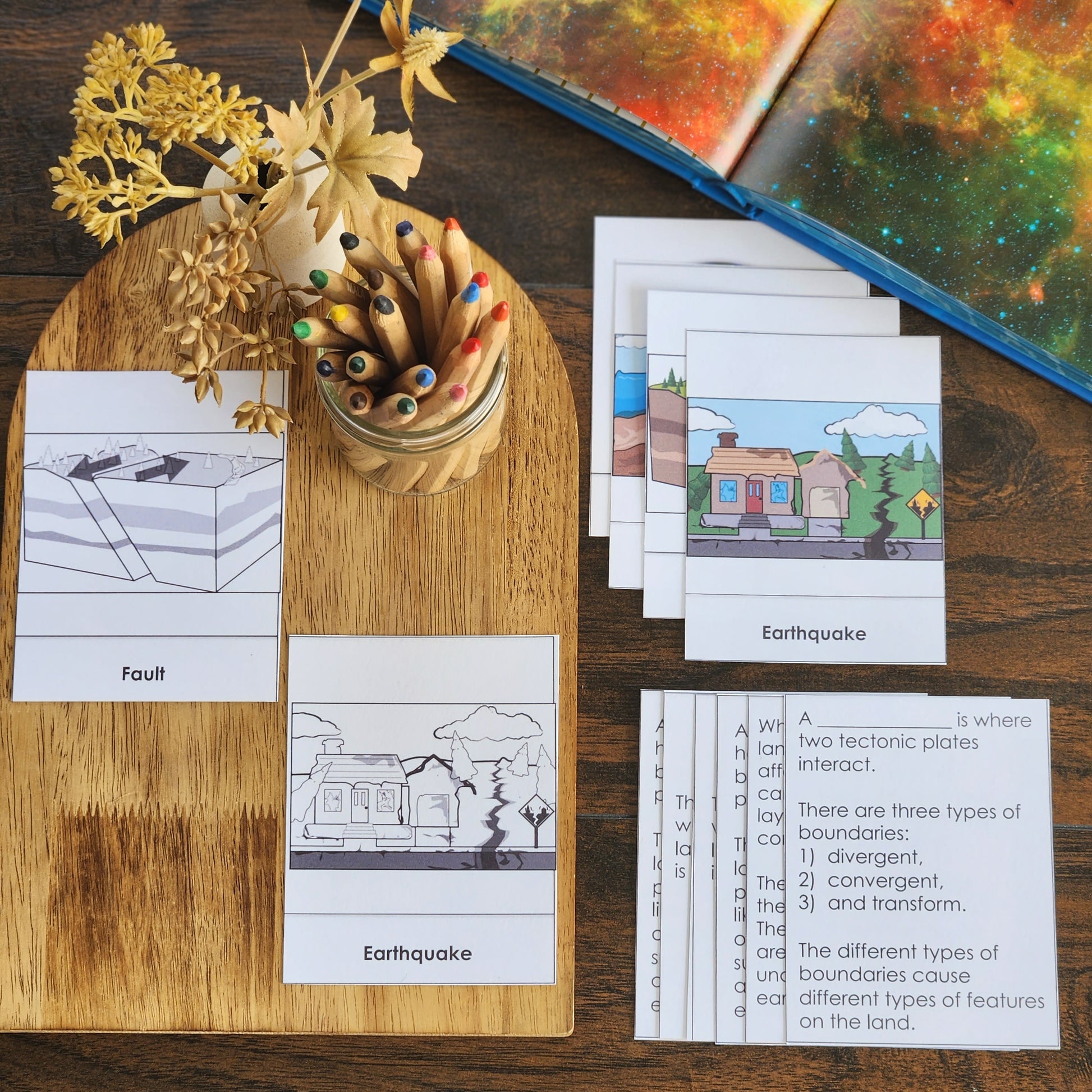
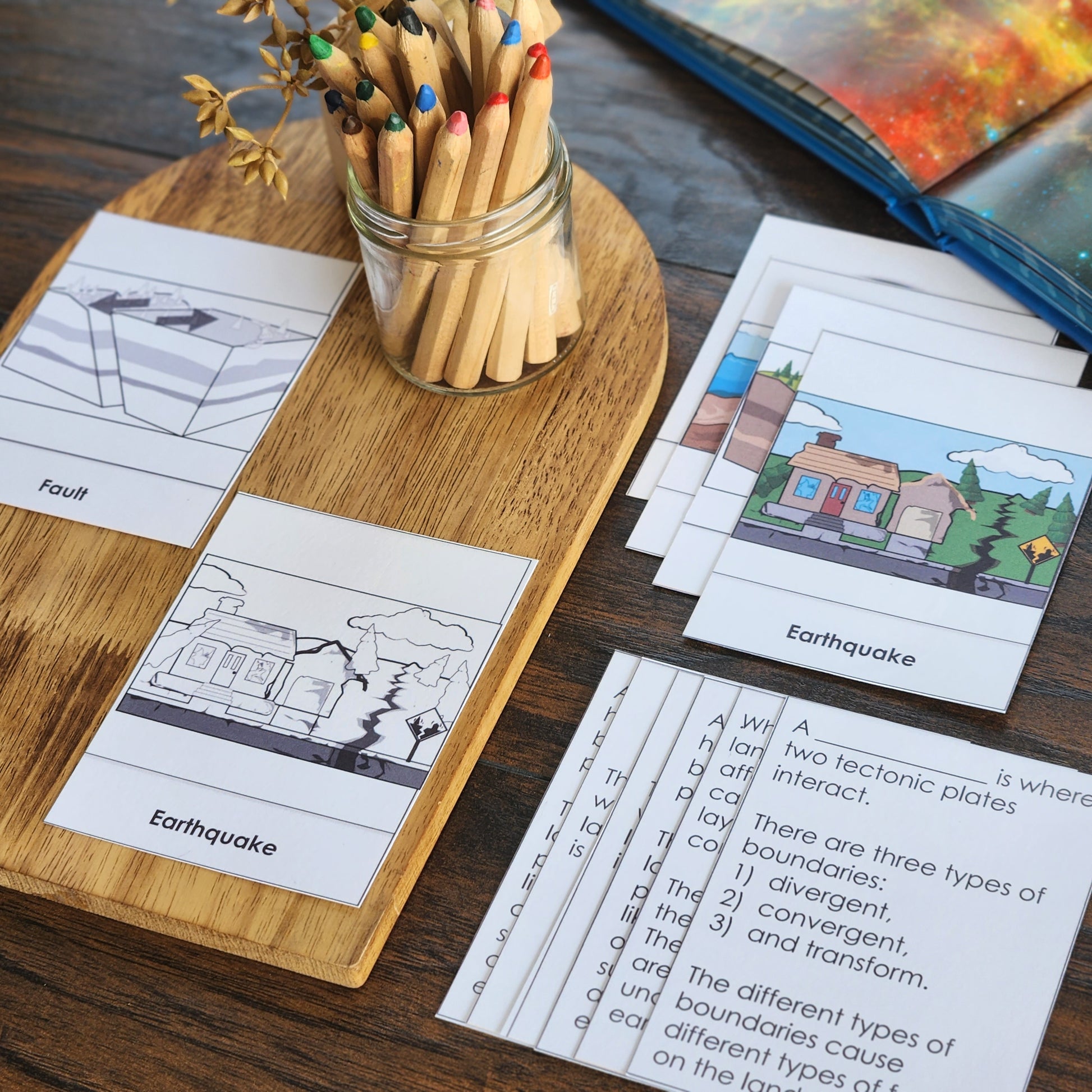
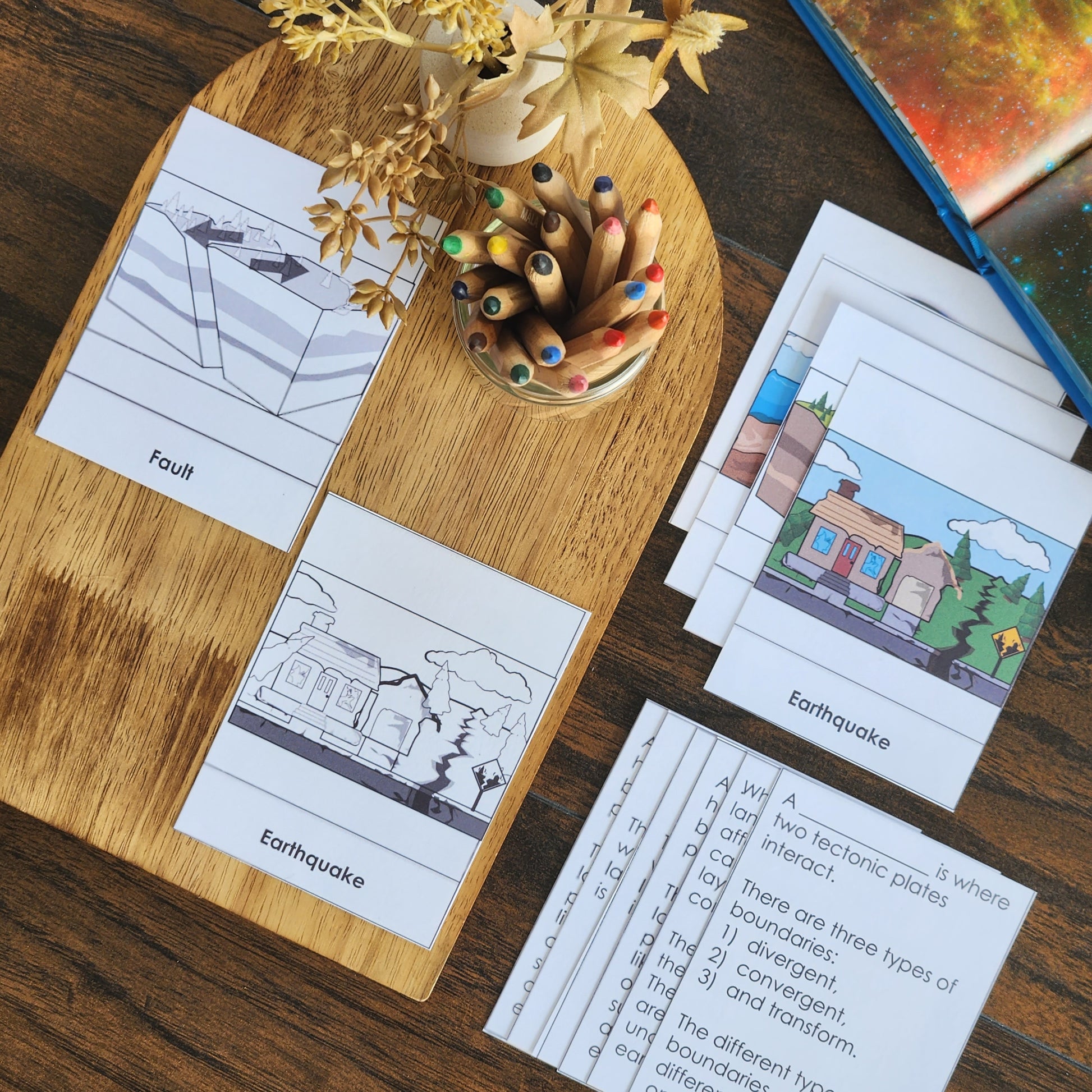
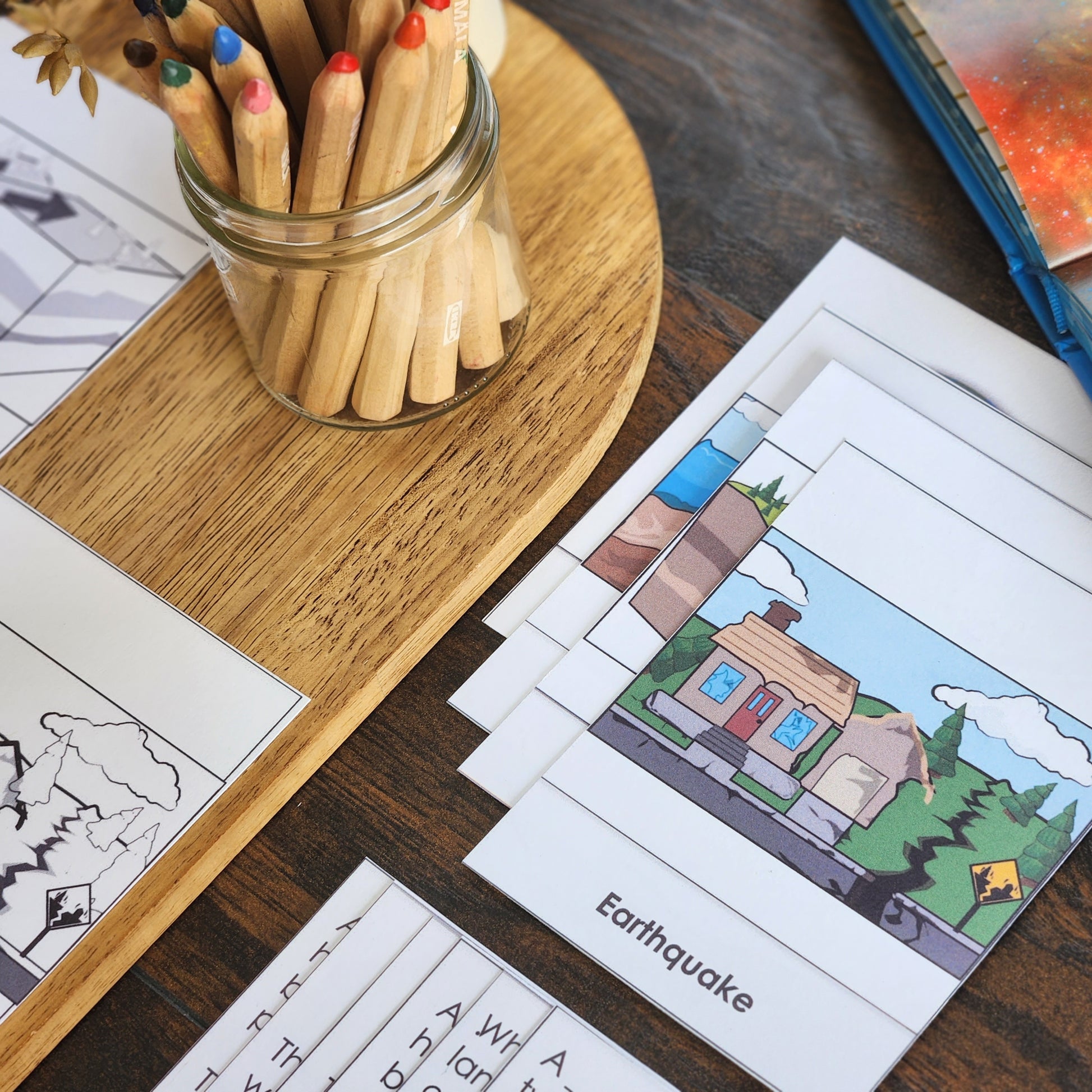
Montessori inspired earthquake vocabulary and matching cards designed to support children learning about earthquakes, earth science, and natural disasters.
This hands-on geography activity helps children build scientific vocabulary and strengthen reading comprehension through matching, classification, and discussion work.
Suitable for:
-
Montessori classrooms
-
homeschool geography studies
-
earth science shelves
-
cultural studies
-
independent work
-
small group lessons
Children match earthquake related terms, definitions, and concepts while developing understanding of how earthquakes occur and the effects they have on the Earth.
Included
-
earthquake vocabulary cards
-
matching cards
-
printable geography materials
-
earth science language activities
-
independent learning work
These cards introduce the following terms:
-
layers of the earth
-
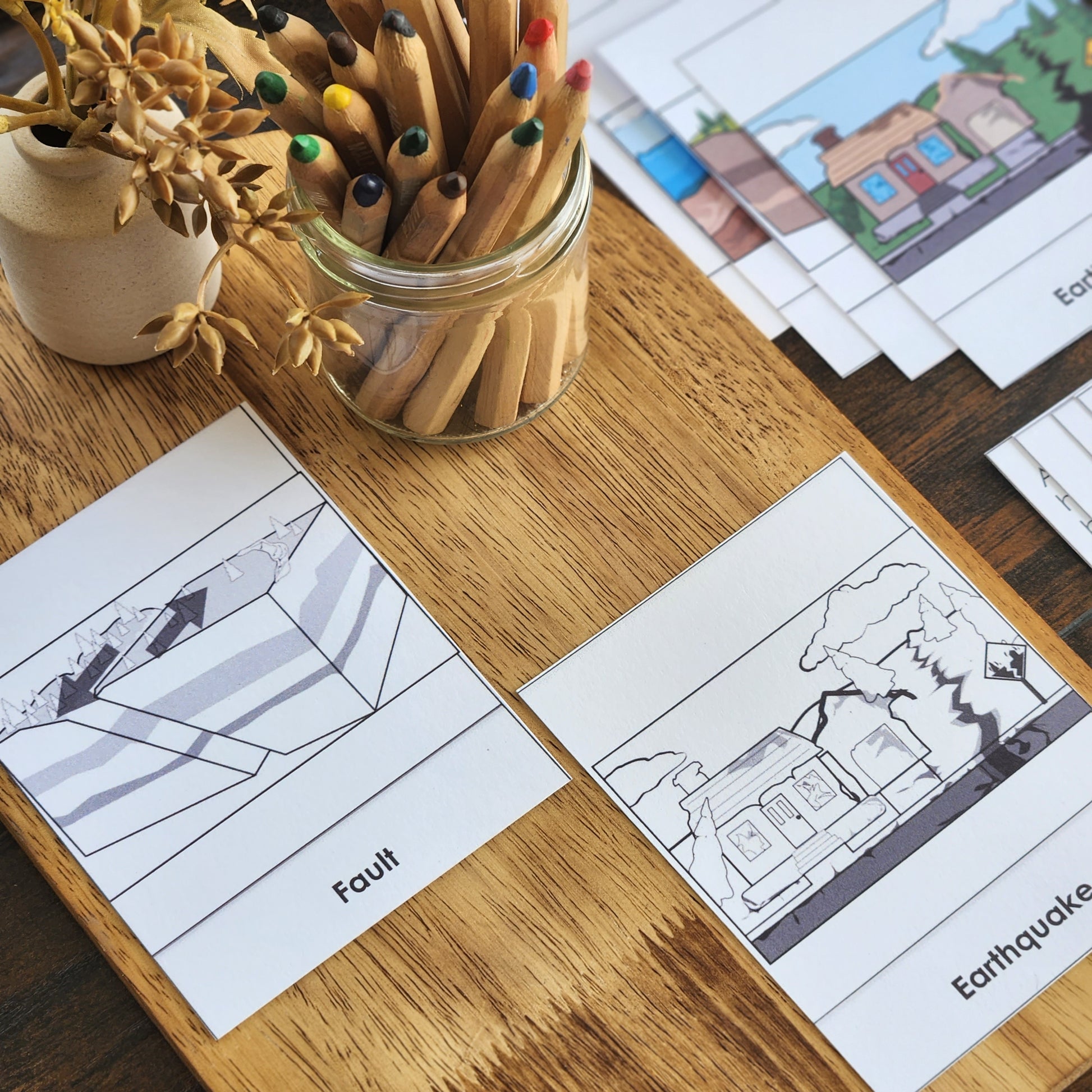
earthquake
-
fault
-
seismograph
-
tsunami
-
plate boundary
-
epicenter and focus
-
magnitude
-
Richter scale
-
liquefaction
-
intensity
-
aftershock
This resource supports:
-
earthquake vocabulary development
-
reading comprehension
-
scientific language
-
geography studies
-
classification skills
-
discussion and research work
A useful extension for Montessori cultural studies, geography shelves, and earth science units.
Suitable for elementary learners exploring earth science and natural processes.
You may also be interested in:
Volcano Lesson Plans
Volcano Vocab Posters
3D Volcano Maps
Earthquake Posters
3D Earthquake Maps
Earthquake Unit
You may also be interested in my money saving Volcanic Eruptions and Earthquakes Bundle.